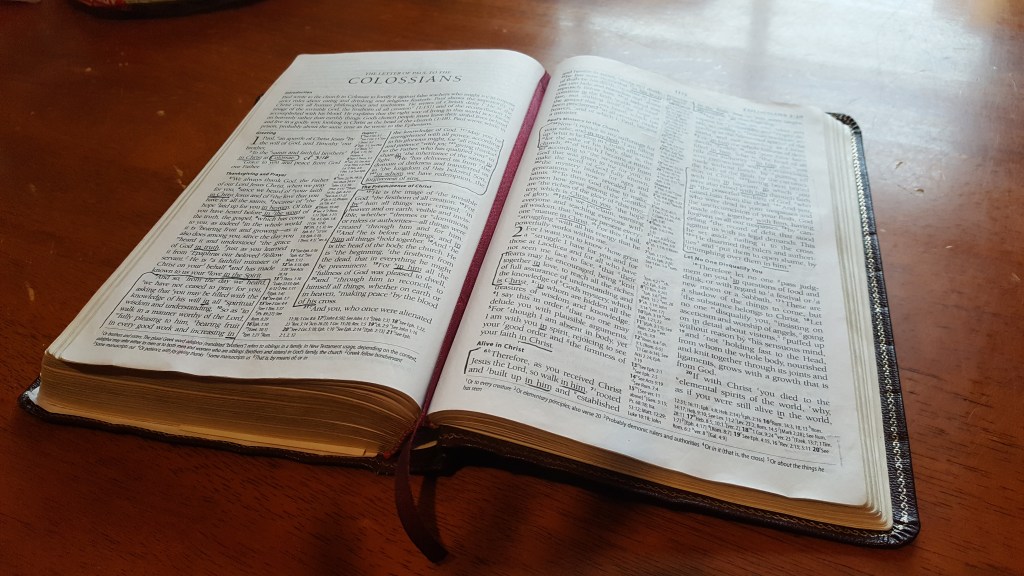
I. Doctrine of Revelation
General Revelation: God, the Creator, has left a witness of His existence, righteousness, and glory in the things which He has made (Ps.97:6, Ps.50:6). Heaven and earth engage in antiphonal praise (Hab.3:3b). God’s glory is evident in the heavens and His majesty is apparent in the earth (Ps.8:1). His impartial kindness is demonstrated in sunshine and rain falling on people, whether they are evil or good (Matt.5:45). Interpretation of the weather has the potential to give people the insight to interpret the signs of the times (Matt.16:1-3). Disastrous events also communicate that the hand of God is behind them (Rev.16:9, Jonah 1:7). God’s judgments on the earth are intended to remind all people that it is He who created everything and that there is a duty to respond to Him with fear by worshipping and glorifying Him (Rev.14:6,7). In addition to external witnesses, God has placed a witness to Himself within the conscience of every person (Rom.2:14,15) which is sufficient to make all accountable to God.
Special Revelation: Sometimes God reveals Himself to a person clearly in a vision (Acts 7:55, 9:3-7). Other times, He reveals Himself through dreams (Dan.4:9-27, Matt.1:20,21). In some seasons, God reveals His identity through calamities (Jonah 1:9-16, Rom.1:20). God shows Himself sovereign over plagues (Ex.7:14-12:51). Divine expectations are laid out in the Law (Rom.2:17-21, Luke 10:25-28) while correctives have been given to us by the prophets (Dt.18:22, Rom.12:6, Heb.1:1). At the appointed time, God sent His Son to be a paramount Revelation (Heb.1:2, Jn.1:1,14). Jesus told the Pharisees that the special revelation in which they had placed their hope of salvation was that which testified of Him (Jn.5:39). This testimony to Jesus deserves its own section.
Bible: While God has spoken audibly in past times (Dt.5:23-25, Matt.3:17), He has chosen to have much of His declaration written down (2Tim.3:16,17). Thus, it is proper to call all that has been preserved for us ‘the word of God’ (Jn.10:34,35). God gifted the Law to Israel as words that were morally binding throughout their generations (Josh.1:8, Ps.19:7). God’s prophets regularly proclaimed that what they were saying was the word of the Lord (Ps.18:30, Ezek.12:26). The wisdom literature also bears the marks of claiming to be the word of God (Ps.119). Jesus declared that the word of God is truth (Jn.17:17). What Paul was writing was revelation from God (1Cor.7:10,11, 2Pet.3:15,16). John, near the end of Revelation writes a cautionary note which would only be proper if the writing was Scripture (Rev.22:18,19). In summary, all that is written in the pages of the Bible is sacred Scripture and is to be used reverently by the human race in our pursuit of God.
II. Doctrine of the Person of God
Acts and Attributes: As Creator (Gen.1:1) and Redeemer (Gen.3:15, Mic.1:4), God reveals Himself as almighty and immanent. By leading the descendants of Abraham into the promised land after 400 years in bondage (Ex.1-12), God shows Himself to be faithful (Gen.15:13-16), merciful (Gen.15:16), and just. When He flooded the earth, He showed His wrath at sin while remembering mercy (Gen.6, Dt.9:18, Hab.3:2). From building the nation of Israel (Dt.1:10) to establishing the monarchy (2Sam.7:16) to bringing the Messiah (Luke2:1-21), God showed His sovereignty over the affairs of history.
Character: When God called Moses to deliver Israel from Egypt, He introduced Himself by name because He desires relationship (Ex.3:13-15). Later, He declared to Moses His name along with an explanation of what the name signifies: “merciful…gracious, slow to anger…love and faithfulness…forgiving sin…not clearing the guilty” (Ex.34:6,7). God is love (1Jn.4:8) and light (1Jn.1:5). He is jealous (Ex.34:14) and a rewarder of those who seek Him (Heb.11:1). The result of the indwelling of His Spirit is an apt description of His character (Gal.5:22,23).
Trinity: No discussion of the godhead should contradict the seminal statement of God’s unity (Dt.6:4). Yet the biblical data imply a complexity within this unity (Gen.1:26, 18:1,2). Potential confusion begins when we consider that God differentiates Himself from men (1Sam.15:29) and yet Jesus, a man, was referred to by others as God (Jn.20:28) and he confirmed this idea by repeatedly affirming the same truth (Jn.14:9, 10:30). Jesus told His disciples that He would send another (ἀλλος) comforter (i.e., another of the same kind as He is—Jn.14:16). This leads us to the classical affirmation of one God in three persons: Trinity.
III. The Doctrine of the Work of God
Creation: In the beginning, God created all that is (Gen.1:1). The triune God is seen as fully engaged in this work: God (the Father) is said to have created, yet the Spirit of God was also hovering over the waters (Gen.1:2). We also find that the Son of God was the instrument of creation (Jn.1:1ff, 1Jn.1:1).
Election: Those who were chosen by God for salvation were known by God from before the foundation of the world (Eph.1:4). The result of this choosing would be holiness and blamelessness through being found in Christ, who embodies these qualities (1Pet.1:20, Phil.3:9). Election is sometimes referred to in terms of the foreknowledge of God (Rom.8:29) resulting in a predestination for conformity to the image of Christ. Jesus declared that those who followed Him did not choose to do so but rather were chosen for that role (Jn.15:16). God’s work of election is similar to His work of creation in that it takes a creative miracle to bring people to faith (2Cor.4:6).
Providence: Providence is the idea that God provides for His creation and governs it according to His good will and pleasure. Jesus taught that God feeds the birds of the air (Matt.6:26), clothes the lilies of the field (v.30) and, by the same token, takes care of people who are made in His image (v.33). Jesus holds all things together by the word of His power (Col.1:17). Although it appears that even at the most minute level, He is in control, suffering finds people where they are; God wills this as an experience that teaches trust and ends with His pleasure resting on us (1Pet.4:19, Heb.11:6). Those who suffer untrust themselves to the Creator, knowing that He is in control and that He is able to deliver them from their sufferings (1Pet.4:19, Jude 24).
IV. Person of Christ
Long before the birth of Jesus, the coming of the Christ was prophesied (Isa.61:1-4, Dan.7:13,14). Because we consider Jesus a reliable witness, we believe that these prophecies pertain to Him (Lk.4:17-21). Note that the most prominent verb in the first verses of Isa.61 is “proclaim.” Herein is foretold His prophetic office which would become even clearer when He was revealed to Israel (Mk.14:62, Matt.3:2, Rev.3:20). He also fills the offices of priest (as one who intercedes—Heb.7:25) and of potentate (Jn.1:49, 18:37, Rev.19:6).
Jesus did not come into existence when He was conceived in the womb of the virgin, Mary; instead, He was present as God, with God, from the beginning (Jn.1:1-5, Col.1:16, Jn.17:5). Jesus was not implanted as an embryo in the womb of the virgin, but was truly the son of Mary (Lk.1:30-35, Mt.1:1, Rom.1:3). As One who truly is deity (Jn.10:30), Jesus demonstrated omniscience (Lk.6:8, Mk.2:8), omnipotence (Mk.4:41, Matt.8:16), authority to forgive sin (Mk.2:7), power to heal (Mk.1:32-34), and to raise from the dead (Lk.7:11-15, Jn.11:41-43). As One who is truly a man (Matt.16:13), Jesus demonstrated subservience (Heb.5:8, Jn.5:19), ignorance (Matt.24:36), weakness (Mk.4:38, Jn.19:28), distress (Jn.12:27, Mk.8:12, Jn.11:35), as well as both hunger (Mk.11:12, Lk.4:2) and thirst (Jn.4:6,7, 19:28). So, we see that Jesus was not a spirit who only seemed to be human (Lk.24:39); nor was he a simple man who, at his baptism, became the Christ. Neither humanity nor deity was diminished or confused in Him. He laid aside the privileges of the glory of deity in order that He might live among us and redeem us (Jn.17:5, 1Tim.3:16). Jesus was willingly subjected to this state of lowliness (Phil.2:5-11, Matt.16:16,17, Col.2:9) and his unparalleled humility positioned Him to receive unparalleled exaltation.
Though Jesus was subject to temptation (Matt.4:1-11), He never made a sinful decision (Heb.4:15, 1Pet.2:22, Acts13:28). Additionally, He fulfilled all righteousness (Matt.3:15, 1Jn.2:1). As Second Adam (Rom.5:12-19, 1Cor.15:21,22), Jesus perfectly bears the image of God (Gen.1:26-28, Heb.1:3), and is perfectly qualified to rule (1Cor.15:25).
Behind the jealousy of the Jewish leaders (Matt.27:18), the fear of the Roman government (Jn.19:12), and the satanic betrayal by Judas (Jn.13:26,27), lay the definite plan of God (Acts 2:23) and the willing, joyful, authoritative participation of Christ (Jn.10:18, Heb.12:2). What is it that unifies and makes comprehensible His offering a ransom to God (Matt.20:28, 1Tim.2:16), His demonstration of great love (Jn.15:13), His triumphant struggle against the powers of darkness (Lk.22:53, Col.2:15), God’s wrath against sin (Ps.7:11), and His love for the inhabitants of the earth (Jn.3:16)? The large umbrella under which we may understand the nuances of the atonement is God vindicating His glory.
After three days, Christ was raised from the dead by the glory of the Father (Rom.6:4, Mk.16:2, Acts2:32); by His bodily resurrection (Lk.24:39) He proved that He is the Son of God (Rom.1:4). Then He ascended back to heaven (Acts1:9) where he prepares a place for all who trust in Him (Jn.14:1-3); he prays for us (Heb.7:25, Rom.8:26,27,34). He has promised to return (Acts1:11, Rev.1:7) in order to reign in and through His saints (Ps.2:8-12, Rev.2:26,27) who eagerly await His appearing (Phil.3:20, Gal.5:5, Heb.9:28). Our confidence for that day is founded upon Christ’s suffering in our stead (1Pet.3:18); as our sin was laid upon Him, His righteousness has been laid upon us (2Cor.5:21). We have been rescued from the wrath of God which was due us (Rom.5:6-9). Thus, the atonement was propitiatory (1Jn.2:2, 4:10) and redemptive; for the price demanded by God (Ezek.18:4), was paid by the Son of God for us (Gal.1:4, Eph.5:2).
V. The Work of Christ
Jesus occupies the offices the office of Prophet (to reveal: Isa.61:1-4), Priest (to redeem: Heb.9:12), and Potentate (to rule: Col.2:2,19, 3:1,15).
The will of God (Eph.1:5), the love of God (Jn.3:16), and the glory of God (Eph.1:12-14), were the driving forces behind the atonement by Christ for our sins. This atonement was vicarious (Isa.53:5), substitutionary (2Cor.5:21), sacrificial (Heb.10:8-10), expiatory (Heb.13:11-13), propitiatory (1Jn.2:2, 4:10), redemptive (Eph.1:7, Col.1:14), exemplary (1Pet.2:21), and triumphant (Col.2:15). All of this means that God achieved glory for Himself by taking human form (Phil.2:5-11), receiving human punishment in our stead (1Pet.2:24), authoritatively offering Himself up (Jn.10:17,18), joyfully carrying away our shame (Heb.12:1,2), graciously diverting the wrath of God, thus establishing the favor of God (Gal.4:5, Eph.1:5), effectively purchasing us for Himself (Rev.5:9), serving as an example of willingly undergoing suffering (1Pet.4:1,2), thus modeling the path of victory over the powers of darkness.
God planned the suffering of His Servant with the intent that a company of people would be drawn near to Him (1Pet.3:18, 2Cor.5:20). While this sacrifice was sufficient to reconcile the whole world to God (1Jn.2:2), it is only effective for those who have been selected by Him (Rom.9:22-24). Both in the case of those who are helped by the atonement and those who are not, God is motivated by a concern for His own glory (Isa.48:11). The human race was created in the image of God (Gen.1:26); therefore, the reputation of God is at stake both in demonstrating His anger at sin and His propensity for graciousness.
VI. The Person of the Holy Spirit
Although God is one (Deut.6:4), Christians recognize that he is Father (Eph.4:6) and that declaring the Son to be God (1Jn.5:20) does not net two Gods, but one. Furthermore, this one God is known to us in the person of the Holy Spirit (Eph.4:4, Jn.14:16).
The Spirit has divine qualities such as knowing the thoughts of God (1Cor.2:10,11), omnipresence (Ps.139:7-12), omniscience (Jn.14:26, Rom.8:27), omnipotence (Rom.15:19), and eternality (Heb.9:14). His deity was proclaimed in the church by Peter (Acts 5:3,4).
The Spirit is known as the Holy Spirit (Lk.11:13, 1Cor.6:19, Rom.1:4), the Spirit of God (Rom.8:14-16, 1Cor.6:11), Spirit of Christ (Rom.8:9, Jn.14:18), and Spirit of Truth (1Jn.4:6, Jn.15:26, 14:17). His attributes include intellect (1Cor.2:10,11, Rom.8:27), will (Acts 16:6, 1Cor.12:11), and emotion (Isa.63:10). In relationship with humanity, the Holy Spirit can be received (Jn.20:22, 7:39, 14:17), resisted (Acts7:51), reviled (Matt.12:32), offended (Heb.10:29), or quenched (1Thess.5:19). The seriousness of this cannot be overstated, for without the Spirit, there is no salvation (Rom.8:9).
VII. The Work of the Holy Spirit
The Holy Spirit was present at the beginning of creation (Gen.1:2). He was active in the lives of Old Testament saints (1Sam.3:19, 11:6, Jud.15:14) and prophetically inspired (2Pet.1:21, Rev.19:10) the writing of the Bible (2Tim.3:16, Ex.17:14, Rev.1:10).
God’s Holy Spirit was active in causing Mary to become pregnant with Jesus (Matt.1:18, Lk.1:35), and again at Jesus’s baptism (Matt.1:16, Jn.1:32). Jesus was empowered for ministry by the Holy Spirit (Lk.4:1,14,18).
The Spirit was gifted to the Church after Jesus’s death (Gal.3:13,14, Eph.1:13) because we needed to be cleansed (Ps.24:1, Lk.24:47,) before we could be filled (Eph.5:18). Prior to the cross, individuals were filled with the Spirit (Lk.1:67), but afterwards a community was filled (Acts13:52). The Spirit is given by the Father (Jn.14:26) as well as His Son Jesus (Jn.15:26, 1Cor.5:4).
Since the Spirit has been poured out (Acts2, Rom.5:5), He has been convicting the world (Jn.16:8), calling to salvation (Jn.3:5), and confirming the gospel message with signs and miracles (Heb.2:4). In response to faith, the Spirit imparts justification (Rom.8:16, Acts 15:8, 1Jn.5:7,8). His main goal is to exalt Jesus (16:14, 1Cor.12:3). All who have trusted in Jesus find him to be one who Helps (Jn.15:26), Teaches (1Cor.2:13), Sanctifies (2Thess.2:13, Rom.15:18), Regenerates (Jn.3:5,6), as well as one who serves as a seal unto the day of redemption (Eph.4:30). This seal serves to assure the believer of their salvation (Eph.1:14, 1Jn.4:13, Rom.8:16,17).
As the Spirit of Christ indwells people (Acts1:5, Lk.24:49, Jn.14:17), God achieves His goal of total ownership (Jer.31:33,34, 32:38,39) and we attain the purpose for which we were made (Gen.1:28+Gal.5:22,23). By these gifts, the Spirit equips ministers in the body (1Cor. 12:11,27-30) and assigns roles. He teaches (Jn.16:13, 1Jn.2:27), edifies (Eph.2:20-22, 1Pet.2:5), brings peace (Rom.8:6, 15:13), and comforts His own (Acts9:31, 2Cor.1:3-7).
Glorifying Jesus is the main goal of the Spirit (Jn.16:14, 1Cor.12:3). In this context, He promotes unity in the body (Eph.4:4, Jn.17:23), as well as promoting fellowship (Eph.4:3). When our understanding of how to pray is exhausted, He prays for us (Rom.8:26).
VIII. Doctrinal Statement: Angelology
Definition: Angel means “messenger” (Gr: ἀγγελος, Heb: malach). As such, angels transmit verbal messages from God to men (Jud.13:3, Mt.1:20). They enact blessings of protection on earth which were commanded by God in heaven (Isa.37:36) as well as meting out acts of God’s judgment (Rev.9:15, Gen.19:13). Because human beings also speak God’s words and perform God’s works, their sphere of operation overlaps with that of angels.
Nature: Angels are personal enough to have names (Dan.9:21), and distinct enough from one another to note degrees of might and authority (Rev.5:2, 10:1, Dan.10:13,21). Angels possess glory (Rev.18:1) but they are never willing to receive worship (Rev.22:9). God’s heavenly messengers are capable of rejoicing (Heb.12:22), worship (Rev.5:11,12), and also of being offended (Lk.1:19,20). Men are temporarily lower than angels (Heb.2:7) but one day redeemed men and women will be in a position of judgment over them (1Cor.6:3).
Ministry: Angels exist in order to worship the Creator (Job 38:7) and to participate in His continuing work (Acts 5:19). Before pouring out end-time judgments (Rev.15:1), angels are charged with serving those chosen by God for salvation (Heb.1:14).
Fallen: Dark spiritual powers in opposition to God and His kingdom were at one time angels in His service (Ezek.28:14). Rebellion in heaven was led by Lucifer (Isa.14:12). Because of his influence, many of the angels of heaven followed his mutiny (Isa.14:13, Rev.12:3). These, who were once faithful messengers of God, have become messengers of Satan—literally angels of Satan (2Cor.12:7). These fallen angels bring misery to defenseless people (Mat.15:22) and they oppose those who have fled to God for refuge (Eph.6:12, Heb.6:18).
IX. Doctrine of Humanity
Human beings were created by God (Gen.1:26-27) with the intent that they should govern the earth (Gen.1:28) according to His desires (Dt.17:18). In order for our race to represent Him who ordained that we should rule, it was necessary that we should bear His image. Even before sin entered the world, God saw that His image was not well-presented because Adam was alone (Gen.2:18), but God is never alone (Jn.17:5,21-23). God’s original statement of intent to create male and female had not yet been fully realized, therefore, God remedied the situation (Gen.2:21-23). The human race most perfectly reflects the image of God when men and women live together in covenant community with one another.
There is no sin in God (1Jn.1:5). When the first humans sinned (Gen.3:4-7), the image of God was marred; that which is sinful cannot rightly be considered as an accurate representation of Him who knows no sin (2Cor.5:21). Sin degrades the whole human being—body (Rom.13:14), mind (Rom.8:7), heart (Rom.1:21) and spirit (Eph.2:2). God, through Christ, has created a plan by which the image of God may be restored (Eph.4:24) to fallen humanity. As the problem is wholistic, even so the cure needed to be wholistic (1Thess.5:23). The inseparable unity of the several parts of a human being is evident in the declaration of Rom.12:1 in which a bodily sacrifice is said to be equal to spiritual worship. Our worship is owed to God because our very lives (Heb. “nephesh” = soul, life) have their origin in Him (Gen.2:7). At death, the life that God gave returns to Him (Eccl.12:7).
X. Sin
In essence, sin is falling short of God’s glory (Rom.6:23). Our first parents lost sight of His majesty when Eve listened to the serpent’s deception (Gen.3:1,4,5,13, 2Cor.11:3, 1Tim.2:14), embarked upon distrust (Gen.3:1,5,6) and chose disobedience (Gen.2:17, 3:6,7, 1Jn.3:4). My view of the transmission of sin is traducian (in other words, procreation results in entire human beings coming into being; there is no special act of creation by God—Gen.1:26-28, 5:1-3). If God created human souls sinful, He would be the author of sin—but this cannot be (Hab.1:13, Jas.1:13, Ps.51:4,5). Human beings were created in the image of God, who is light (1Jn.1:5). Because people love darkness (Jn.3:19), they walk there (1Jn.2:11). This habit of life gives rise to a lack of likeness with God resulting in broken fellowship (2Cor.6:14, 1Jn.1:6).
All who have joined themselves to God by faith in Christ are delivered from the ultimate consequence of sin, eternal separation from God (1Jn.2:25, Rom.5:17). In spite of this deliverance, those who are of the household of God experience an ongoing threat from the presence of sin in themselves (1Jn.1:6-10, 3:6, Rom.7:14-24). Not all sins are equal; some do not lead to death (1Jn.5:16,17), some are considered “great” (2Sam.24:10) and some are hated by God more than others (Pr.6:16). Sin brings sinners into a position of guilt (Rom.3:19). Unintentional sin leads a person to be positionally guilty without the emotion of guilt (Num.15:25-27). Those with a seared conscience likewise have the fact of guilt without the feeling (1Tim.4:2). Those with imagined trespasses experience the feeling without the fact (Rom.14:20-23). Sin causes us to make overtures of war against God (Eph.2:16, Tit.1:16). We have a total inability to reach for God (Eph.2:1,2). Our sins are both personal (1Cor.15:9) and corporate (Ezr.10:1,2). Sin invites God’s condemnation (Gal.3:13, Rom.8:1) and punishment (Heb.10:27, 2Thes.1:8).
XI. Salvation
Salvation is superintended by God (Rom.8:30, 11:36) because, as in all of history, He is revealing Himself to those He made in His image (Gen.1:26,27, 3:15, Ex.34:6,7). Before the beginning of our story, God foreknew those whom He would call to Himself (Rom.8:29, 11:2, Eph.1:4). On the basis of the knowledge of what He would do, He determined to manifest His kindness to a portion of humanity (Lk.13:23,24, Mt.22:14, 1Pet.2:9).
Negatively, salvation is from sin (Matt.1:21); positively, salvation is for glory, honor, and immortality (Rom.2:7,10). The trouble with sin is that it enslaves (Jn.8:34), separates from God (Isa.59:1,2), acts with enmity toward God (Eph.2:1-5), and ultimately dooms the life of the sinner to judgments both in time and in eternity (Rom.1:18,24,26, 2Thess.1:9, Rom.6:23a).
God’s mechanism in salvation is the grace which was purchased on the cross of Christ at Calvary (Eph.2:8,9, Jn.19:30, Mk.15:38, Heb.10:19,20). All who receive this grace do so, not because of their choice, but because of their having been chosen (Jn.15:16). The human elements of the salvation event involve the response of faith and repentance, which may be viewed as one action under two names—putting confidence in Jesus as the savior of the world in general and yourself in particular results in a turning towards him that inevitably results in a renunciation of sin (Jn.2:11, 1Cor.12:2,3, 1Pet.2:25). This response of faith (i.e. repentance) is a gift of God (Eph.2:8,9, Acts11:18). This faith (confidence) in Christ, affects a union with Him (Rom.6:1-4, Gal.2:20) in which His righteousness is attributed to us (2Cor.5:21, 1Pet.3:18) and justice for our sins is satisfied in Him (Phil.2:5-11). The initial act of faith in response to believing in this great salvation is to pursue baptism in which one is officially identified with Jesus’s death, burial and resurrection (1Pet.3:21, Rom.6:1-14). This union with Christ, by faith, initializes a process called conversion.
“Conversion” is synonymous with change. There is a decisive shift of a person’s mind, will, and emotions toward Jesus when one is first converted (Rom.12:2, Titus3:5). As soon as a person is called into faith in Jesus, God declares that person righteous (Rom.5:1). We have an immediate love of God and His ways, even though our behavior still disturbs us at times (Rom.7:14,22,25). Praise God, who has not left us to suffer under the dominion of sin and death! (Rom.8:1-4, Jn.8:36). We are enrolled in the school of conformity to Christ—and He uses all of our circumstances to work toward this good end (Rom.8:28,29,32). This process of being made holy (after the likeness of Jesus) is called sanctification (Heb.2:11). Part of the good news is that, even while this process carries on imperfectly throughout this life (1Jn.1:8,10), there is a coming Day when the good work which He began will be complete (1Jn.3:2, Phil.1:6)—this is called glorification.
Humans were created to resemble God in His glory (Gen.1:27). Sin wrecked the resemblance (Gen.3, Rom.3:23). After conversion, God begins a work of restoration called regeneration (Tit.3:5). There is a new, Holy Spirit-empowered capacity for righteous living (Rom.6:4,5,8,12, 1Thess.5:24). Part of the sweetness of the Christian life is the consciousness of having a reconciled relationship with God (Gal.4:5, Eph.1:5, Jn.1:12). On the strength of the greatness of the gifts that have been given to us in Christ Jesus, much may now be expected of us (Lk.12:48). Without lives of holiness, we lose sight of the God who redeemed us (Heb.12:14). We can trust that God, who began this work in us, will be faithful to finish what He started in us for the praise of His name (Eph.1:4-14, Phil.1:6). Perseverance is a characteristic of saving faith (Matt.10:22, Jn.10:28,29).
XII. Church Doctrinal Statement
“Church” is the English translation of the Greek word “ekklesia” which means gathering (Heb.12:23) or assembly. Even though there are many local assemblies, the Church through all times and in all places is one organism (Eph.4:4-6, Rev.21:8,9, Matt.16:18). Local assemblies have strengths and weaknesses which are location-specific (Rev.2,3, 1Cor.5, Jude3). Even so, there are aspects of the Church which are the same in any locality. We are a holy people (Heb.10:14, Acts20:32, 1Cor.1:2), founded on the ministry of the apostles (Eph.2:20, Rev.21:14), who together comprise the body of Christ (Eph.4:12, Rom.12:5, 1Cor.12:27). Although we are one in Christ, there is great diversity among us (1Cor.12:12, Rom.12:4-8). One mystery that defines the Church is that the age-old distinction between Jew and Gentile is removed in the Church (Gal.3:28, Eph.2:14, 3:6). When the Church is compared to a building (1Pet.2:5, Eph.4:16, 1Cor.3:12-15), we remember that Jesus is the builder (Matt.16:18) and the foundation (1Cor.3:11). When the Church is compared to a body (Rom.12, 1Cor.12), we remember that Jesus is the head (Eph.5:23, 1:22, 4:15)—and this is one reason why we are called to be organized (1Cor.14:33,40).
The work of the Church includes being ministers of reconciliation (2Cor.5:17-21, 1Pet.2:9, Matt.28:19) which results in making disciples. We are called to love (Eph.4:15, Jn.13:35, 1Jn.4:19), grow in holiness (Phil.2:15, 1Cor.3:17, Rom.15:16), grow in faith (Rom.1:17, Matt.14:31), and reflect God’s glory (Gen.1:26-28, Rom.3:23, 2Cor.3:18). The Church is also called to minister to the practical needs we find in our communities (Matt.25:31-40, Gal.6:10). We are a worshipping people (Rom.15:6, Acts13:1,2, Jn.4:24) who build one another up (Eph.4:12, Jude20, Rom.15:2). We are called to prayer (Eph.6:18, 1Thess.5:17, Matt.6:9) and to obedience (Phil.2:12, Phm.21, Acts6:7). Our mutual encouragement (1Thess.4:18, 5:11, Rom.15:5) should result in corporate holiness (2Cor.7:11, 1Cor.5:6,7). Even though we are supposed to reprove those who are not walking according to the pattern of godliness (2Tim.4:2, 3:16), we are supposed to be in pursuit of unity (Jn.17:21-23, Eph.4:3). Baptism is recognized by the whole Church as the inaugural act of faith by which a person becomes part of the Church; the biblical data suggest that this is to be done by immersion (Acts8:39, Mk.1:10—this is a union by faith with Christ in His death, burial and resurrection Rom.6:1-6, Acts19:5, 8:16). The other universally recognized sacrament in the Church is the Lord’s supper (Matt.26:26-29, 1Cor.11:25,26, Jn.6:35-51); Jesus invites those who are in need of grace to come to Him and receive (Matt.11:28, 1Jn.1:9).
Local churches have all of the above in common and as a result of the gospel having cleansed their hearts, they receive the promised Holy Spirit (Rom.8:9, Acts1:8) who indwells (Jn.14:17) and empowers (Acts1:8) to the end that the work of the Spirit is carried out by the vehicle of the local churches (Jn.16:8). Because one Spirit inhabits us, we have fellowship with one another (1Jn.1:3,7, Acts2:44, 1Cor.1:9). Within local assemblies there are the offices of elder (Tit.1:5-9, 1Tim.3:1-7) and deacon (1Tim.3:8-13). While there is biblical evidence for women serving in the role of deacon, it is my conviction that only men are qualified to serve as elders (Rom.16:1, the word “servant” is the same word as deacon). Local churches are called to live disciplined lives (Gal.5:23, 2Cor.10:6) for the glory of God (Eph.1:6,12,14).
XIII. The Doctrine of Last Things
Understanding God’s purpose in the last things comes from having the understanding that His purpose from the beginning has been to reveal Himself to humanity (Jer.31:34, Jn.15:21, Jn.16:3). God ordained a world in which sin would lead to death (Ezek.18:4, Rom.6:23)—an abnormal, universal expectation (Gen.1:31, Heb.9:22). This environment is conducive for the revelation of God’s character (Ex.34:6,7) and will culminate in the abolition of all that is unnatural in the cosmos (Rev.20:14).
The righteous dead will have a preferable intermediate experience (Lk.23:43, 14:14, 2Cor.5:8) than the unrighteous dead (2Thess.1:6, Rom.2:8). This reveals the kindness and the severity of God (Rom.11:22).
Jesus, who reflects the person of God most perfectly (Heb.1:3), is returning to earth at a time unknown to any save God the Father (Matt.24:36) in order to accomplish justice for the oppressed by punishing their oppressors (Lk.4:18, Jn.5:22). This coming will be sudden (Matt.24:37), visible (Rev.1:7), unexpected (Lk.12:40), glorious and powerful (Matt.24:30) and will accomplish the resurrection of those who are in Him (Phil.3:10,11, Rom.6:4, 1Cor.15:51,52).
Before this time there will be a period of great tribulation (Rev.7:14, Matt.24:21) during which the saints will be shielded from the wrath of God (Rev.12:6), but must patiently endure the wrath of the devil (Rev.12:11, Dan.8:24, 12:7, Rev.13:10). Christ (Dan.9:27) will conquer antichrist (2Thes. 2:8, Rev.19:20, 11:15) as a demonstration of God’s supremacy over all opposition. Then comes a thousand-year reign of Christ and His people on the earth (Rev.20:2,5,6, Ps.2:8,9, Rev.2:26,27). After this, the devil will be released from his bondage and seek to incite rebellion once again, but will be swiftly destroyed (Rev.20:7,8). All who adopt the character of the devil will be cast with him into the lake of fire (Mk.9:48, Matt.25:41, Rev.20:10). At last, God will make a new heaven and a new earth (2Pet.3:13, Rev.21:1-5).
At the final judgment, those listed in the book of life will be granted eternal life; even so, our words (Matt.12:36), deeds (Rom.2:6) and intentions (2Cor.5:10, Matt.12:36,37, Heb.4:12) will be exposed and rewarded (1Cor.3:10ff) according to their worth.
 Pastor Steve Ross